

The Border Terrier may be small, but this little dog has a personality that can fill an entire room. Originally developed along the England–Scotland border, the Border Terrier was bred to work alongside hunters and chase foxes from their hiding places. Today, this energetic terrier is loved as a family companion because of its affectionate nature, intelligence, and playful attitude.
At first glance, a Border Terrier may look like a simple, scruffy little dog. However, there is much more to this breed than its wiry coat and cute face. Border Terriers are active, curious, loyal, and surprisingly determined. They can enjoy family life, outdoor adventures, games, and plenty of attention.
This guide covers everything you need to know about Border Terriers, including their appearance, personality, size, exercise needs, grooming, training, diet, health, lifespan, and family suitability. Whether you are thinking about getting one or simply want to learn more about this fascinating breed, these facts will help you understand what makes the Border Terrier special.
🐶 What Is a Border Terrier?
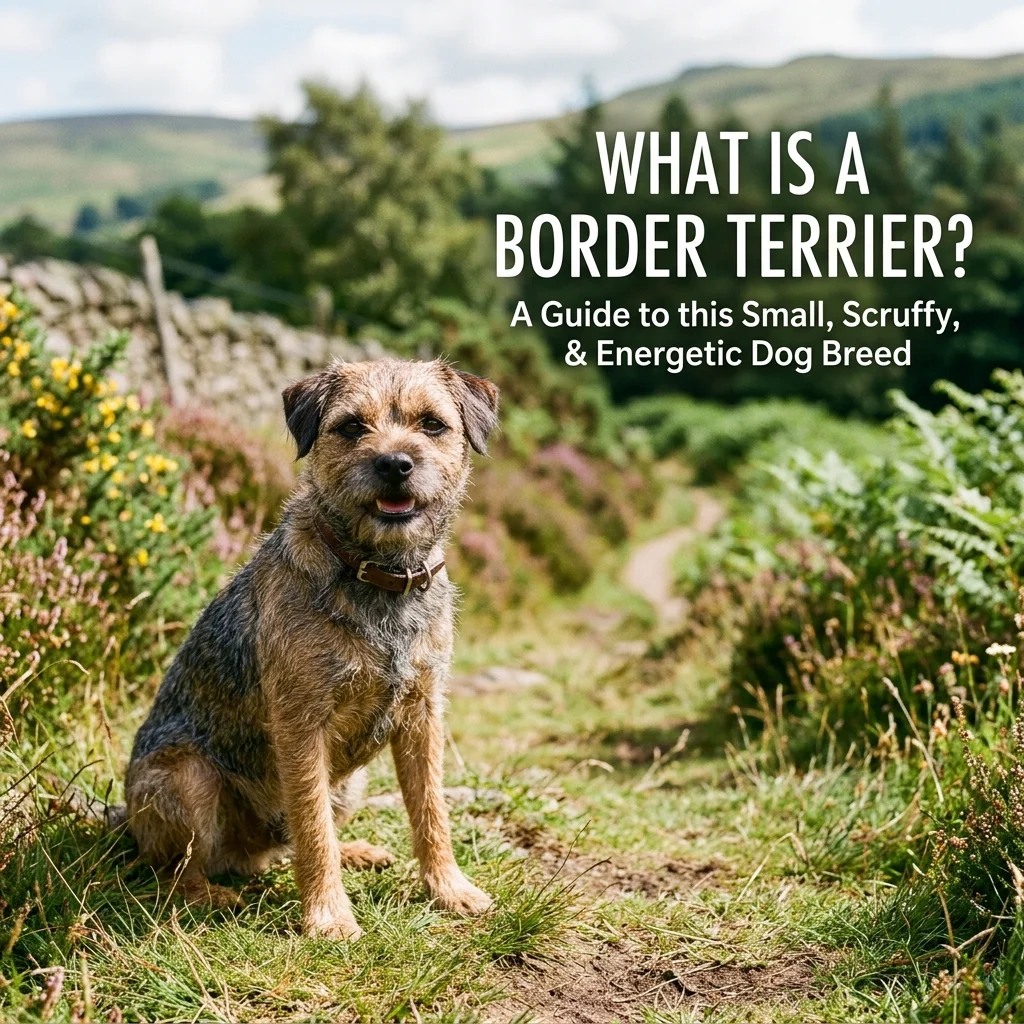
The Border Terrier is a small working terrier known for its lively personality, sturdy body, and distinctive wiry coat. Despite its compact size, it was developed to be an active working dog capable of following horses and pursuing foxes.
- 🐾 Border Terriers originated near the England–Scotland border.
- 🦊 They were originally developed for fox hunting.
- 🐕 The breed belongs to the terrier group.
- 💪 Their bodies are small but strong and athletic.
- 👀 Border Terriers have an alert and expressive appearance.
- 🧠 They are generally intelligent and quick to learn.
- ❤️ Many become affectionate and devoted family companions.
- 🎾 They usually enjoy games and interactive activities.
- 🌳 Outdoor adventures can be especially enjoyable for them.
- 🐭 Their working history gives them a strong prey drive.
- 🏃 They can be surprisingly energetic for their size.
- 🧹 Their rough coat gives them their classic scruffy appearance.
- 🏡 They can adapt to different home environments with enough exercise.
- 🐕🦺 Their working instincts can influence everyday behavior.
- 🌟 Their combination of courage and affection makes them distinctive.
📏 How Big Does a Border Terrier Get?
Border Terriers are small dogs, but they are not delicate. Their compact, muscular build reflects their working history. Their size can make them convenient companions while still giving them enough athletic ability for active households.
- 📏 Border Terriers are considered a small dog breed.
- 🐕 Their bodies are compact and well proportioned.
- 💪 They have a sturdy build despite their short stature.
- 🦵 Their legs support an active lifestyle.
- ⚖️ Healthy adult weight varies between individual dogs.
- 📐 Height can differ slightly depending on sex and individual development.
- 🐾 Their small size makes them easy to handle.
- 🏠 They can fit comfortably into many homes.
- 🚗 Their size can make travel easier than with large breeds.
- 🎒 They are often manageable during outdoor adventures.
- 🛋️ A small body does not mean they need little exercise.
- 🏃 Their athletic nature allows them to stay active for long periods.
- 🐶 Puppies grow gradually during their early months.
- 🩺 A veterinarian can help monitor healthy growth.
- ❤️ Proper nutrition helps support their compact, active bodies.
❤️ What Is a Border Terrier’s Personality Like?
A Border Terrier can be affectionate, confident, curious, and energetic. These dogs often enjoy being involved in family activities rather than spending the entire day alone. Their terrier background can also make them determined and independent.
- ❤️ Many Border Terriers form strong bonds with their families.
- 🐾 They often enjoy staying close to their favorite people.
- 😄 Their playful behavior can bring plenty of entertainment.
- 🧠 They are naturally curious about their surroundings.
- 👃 Their noses can lead them into interesting adventures.
- 💪 They can show impressive confidence for small dogs.
- 🎾 Games often provide excellent mental and physical stimulation.
- 🏃 They generally enjoy active play sessions.
- 🦊 Their hunting background may encourage chasing behavior.
- 🐭 Small moving animals can trigger their prey drive.
- 🔔 Some may bark when something catches their attention.
- 🧩 Puzzle activities can keep their minds busy.
- 🏡 They often enjoy participating in everyday family life.
- 🤗 Positive interaction can strengthen their bond with owners.
- 🌟 Their mixture of courage and affection makes them charming companions.
🎨 What Does a Border Terrier Look Like?
The Border Terrier has a recognizable rough-coated appearance. Its wiry outer coat, compact body, and characteristic head give it a rugged look that reflects its working origins.
- 🐶 Border Terriers have a small, rugged appearance.
- 🧹 Their outer coat is characteristically wiry.
- 🧥 The coat can feel rough rather than silky.
- 👀 Their eyes have an alert and intelligent expression.
- 👂 Their ears are small and typically folded forward.
- 👃 Their muzzle gives the breed a distinctive terrier profile.
- 🦷 Their strong jaws reflect their working heritage.
- 🐾 Their legs are relatively long compared with some small breeds.
- 💪 Their body is compact and muscular.
- 🎨 Common coat colors include grizzle and tan.
- 🤎 Red coats can also occur in the breed.
- 🖤 Blue and tan coloring is another recognized variation.
- 🌾 Wheaten coloring can give the coat a lighter appearance.
- ✂️ Regular coat care helps maintain their traditional appearance.
- 🌟 Their scruffy look is one of their most recognizable features.
🧼 How Do You Groom a Border Terrier?
Border Terriers have a practical coat, but they still need regular grooming. Their wiry coat can collect dirt and loose hair, particularly after outdoor adventures.
- 🧹 Regular brushing helps remove loose hair and debris.
- ✋ Hand-stripping is traditionally used to maintain the coat.
- ✂️ Some owners use professional grooming services.
- 🛁 Bathing should be done when the dog genuinely needs it.
- 🧴 A suitable dog shampoo can help protect the coat.
- 👂 Ears should be checked regularly for dirt or irritation.
- 🦷 Dental care should be part of the grooming routine.
- 💅 Nails need trimming when they become too long.
- 👀 Eyes should be checked for unusual discharge.
- 🐾 Paws benefit from regular inspection after outdoor walks.
- 🌧️ Mud can become trapped in a rough coat.
- 🧻 Drying the dog properly helps keep the coat comfortable.
- 🩺 Skin changes should be discussed with a veterinarian.
- 🐶 Gentle handling can make grooming easier.
- ❤️ Starting grooming habits during puppyhood can help tremendously.
🏃 How Much Exercise Does a Border Terrier Need?
A Border Terrier may be small, but it is not a low-energy lapdog. This breed generally benefits from regular exercise, play, exploration, and mental stimulation. Without enough activity, a bored Border Terrier may find its own entertainment.
- 🏃 Daily walks help provide physical exercise.
- 🎾 Fetch can turn exercise into an engaging game.
- 🌳 Exploring safe outdoor areas can satisfy curiosity.
- 👃 Sniffing opportunities provide valuable mental stimulation.
- 🧩 Puzzle toys can challenge their problem-solving abilities.
- 🐕 Training sessions can combine exercise with learning.
- 🏃 Short active games can work well throughout the day.
- 🌿 Secure outdoor spaces allow safe exploration.
- 🚫 Unsecured areas may be risky because of prey drive.
- 🦊 Chasing instincts can make recall especially important.
- 💤 Rest periods are still necessary after active sessions.
- 🐶 Puppies need age-appropriate exercise rather than excessive activity.
- 🩺 Exercise needs can change with age and health.
- ⚖️ Activity should match the individual dog’s condition.
- ❤️ A good routine can help keep a Border Terrier content.
🧠 Are Border Terriers Easy to Train?
Border Terriers are intelligent dogs, but intelligence does not always mean automatic obedience. Their independent terrier nature can sometimes make them determined to do things their own way. Consistent, reward-based training usually works better than harsh methods.
- 🧠 Border Terriers can learn commands quickly with consistent practice.
- 🍗 Food rewards can provide useful motivation during training.
- 🎉 Positive reinforcement helps make lessons enjoyable.
- 🗣️ Clear commands reduce confusion during training.
- ⏱️ Short sessions can help maintain attention.
- 🔄 Repetition helps reinforce desired behaviors.
- 🐾 Early socialization can support confident behavior.
- 🚪 House training should begin with a consistent routine.
- 🦮 Leash training is particularly important for active terriers.
- 🦊 Recall training deserves extra attention because of prey drive.
- 🧩 Trick training can provide valuable mental stimulation.
- 🚫 Harsh punishment can damage trust and create fear.
- ❤️ Reward good behavior instead of focusing only on mistakes.
- 🏆 Small achievements should receive positive reinforcement.
- 🌟 Consistency from every family member makes training easier.
👨👩👧 Are Border Terriers Good Family Dogs?
A well-socialized Border Terrier can be a loving family companion. Their playful personality can make them enjoyable around active households, although every individual dog has its own temperament.
- ❤️ Many Border Terriers become deeply attached to family members.
- 🎾 Their playful nature can suit active households.
- 🏃 They often enjoy participating in family activities.
- 🧠 Children should learn how to interact respectfully with dogs.
- 👀 Young children should always be supervised around pets.
- 🐾 Dogs need quiet spaces where they can rest undisturbed.
- 🗣️ Family members should use consistent training rules.
- 🧩 Interactive games can help strengthen family bonds.
- 🐶 Early socialization can encourage confident behavior.
- 🦊 Their prey drive should be considered around small pets.
- 🐱 Individual compatibility with cats can vary.
- 🐕 Some Border Terriers enjoy living with other dogs.
- 🏡 A predictable home routine can help them settle.
- ❤️ Positive family interaction can build trust.
- 🌟 Their affectionate side can make them rewarding companions.
🐱 Can Border Terriers Live With Cats?
Whether a Border Terrier can live peacefully with a cat depends on the individual animals, their early experiences, and careful introductions. Because Border Terriers were developed to pursue small animals, their prey drive deserves serious consideration.
- 🐱 Some Border Terriers can learn to live with cats.
- 🦊 Their terrier heritage can create chasing instincts.
- 🐾 Early socialization may improve household compatibility.
- 🚪 Initial introductions should be controlled and gradual.
- 👀 Never assume two unfamiliar animals will immediately get along.
- 🏠 Separate spaces can give each pet a safe retreat.
- 🐕 Supervision is especially important during early interactions.
- 🧩 Positive associations can make introductions more comfortable.
- 🥣 Separate feeding areas can reduce unnecessary competition.
- 🛏️ Cats should have elevated or protected resting areas.
- 🔒 Secure barriers can help manage interactions.
- 🗣️ Calm behavior should receive positive reinforcement.
- 🚫 Chasing should not be treated as harmless play.
- ❤️ Every pet’s temperament should be considered individually.
- 🩺 Professional behavior advice can help with difficult introductions.
🍗 What Should a Border Terrier Eat?
A Border Terrier needs a nutritionally complete diet appropriate for its age, size, activity level, and health. Portion control is also important because even active small dogs can gain excess weight when they receive too many calories.
- 🍗 Choose complete and balanced dog food for regular meals.
- 🐶 Puppy food should be appropriate for growing puppies.
- 🐕 Adult dogs need food suited to their life stage.
- 🧓 Senior dogs may require different nutritional considerations.
- ⚖️ Portion sizes should match individual calorie requirements.
- 💧 Fresh water should always be available.
- 🍖 Treats should remain a small part of the overall diet.
- 🥕 Some plain foods may work as occasional treats.
- 🚫 Avoid feeding toxic foods such as chocolate and grapes.
- 🧅 Onion and garlic should not be included in their diet.
- 🧂 Excessively salty foods are poor choices.
- 🍖 Fatty table scraps can add unnecessary calories.
- 🩺 Dietary changes should be discussed with a veterinarian when needed.
- 📦 Follow feeding guidance while monitoring body condition.
- ❤️ A balanced diet supports an active Border Terrier lifestyle.
🩺 Are Border Terriers Healthy Dogs?
Border Terriers are generally considered hardy dogs, but no breed is completely free from health concerns. Responsible breeding, appropriate nutrition, regular veterinary care, exercise, and weight management can all contribute to a dog’s overall well-being.
- 🩺 Regular veterinary examinations help monitor overall health.
- 🦷 Dental care is important for small dogs.
- 👂 Regular ear checks can identify problems early.
- 👀 Eye health should be monitored throughout life.
- ⚖️ Maintaining a healthy weight reduces unnecessary physical strain.
- 🐾 Regular activity supports muscles and overall fitness.
- 🧬 Responsible breeders can screen for relevant inherited conditions.
- 🐶 Puppies should receive appropriate veterinary care.
- 💉 Vaccinations should follow veterinary recommendations.
- 🪱 Parasite prevention can protect against common health problems.
- 🥩 Proper nutrition supports normal body function.
- 🧼 Good grooming allows owners to notice skin changes.
- 🚨 Sudden behavioral changes can sometimes signal illness.
- 📞 Persistent symptoms deserve professional veterinary attention.
- ❤️ Preventive care can help support a longer, healthier life.
⏳ How Long Do Border Terriers Live?
Border Terriers can enjoy a relatively long life when provided with appropriate nutrition, exercise, preventive veterinary care, and a safe environment. Individual lifespan varies, so there is no guarantee that every dog will reach the same age.
- ⏳ Border Terriers are known for potentially long lifespans.
- 🐶 Individual lifespan varies between dogs.
- 🧬 Genetics can influence long-term health.
- 🍗 Balanced nutrition supports overall wellness.
- 🏃 Regular exercise helps maintain physical condition.
- ⚖️ Healthy weight is important throughout adulthood.
- 🩺 Veterinary checkups can identify developing problems.
- 🦷 Dental care contributes to overall health.
- 💉 Preventive healthcare supports long-term well-being.
- 🧼 Grooming provides opportunities to notice unusual changes.
- ❤️ Strong family bonds can enrich everyday life.
- 🏡 A safe home reduces preventable accidents.
- 🧠 Mental stimulation helps keep older dogs engaged.
- 🐾 Exercise should be adjusted as dogs age.
- 🌟 Good care can help maximize quality of life.
🏡 Is a Border Terrier Right for You?
A Border Terrier can be a wonderful companion for someone who enjoys an active, curious, and affectionate dog. However, its small size should not be mistaken for low exercise or low-maintenance needs.
- 🐶 Border Terriers are small but active dogs.
- 🏃 They suit people who enjoy regular walks.
- 🎾 Playtime can be an important part of daily life.
- 🧠 Mental stimulation helps prevent boredom.
- 🦊 Prey drive should be considered before adoption.
- 🐱 Homes with small pets may require extra planning.
- 🏡 They can adapt to different living situations.
- 🚪 Secure outdoor areas are useful for safe exercise.
- 🧹 Their rough coat requires regular grooming attention.
- 🧠 Training should be consistent and positive.
- ❤️ They often enjoy close family interaction.
- 🐾 They may not suit someone seeking a completely inactive dog.
- ⏰ Owners should have time for exercise and companionship.
- 🩺 Veterinary care should be included in the ownership budget.
- 🌟 The right household can give this little terrier a happy life.
FAQ Section
What is a Border Terrier?
A Border Terrier is a small British terrier originally developed near the England–Scotland border. It was traditionally used for hunting foxes and controlling vermin. Today, it is also a popular companion dog.
Are Border Terriers good pets?
Border Terriers can make affectionate and playful pets for households that can provide exercise, training, companionship, and mental stimulation. Their individual temperament should always be considered.
Are Border Terriers aggressive?
Border Terriers are not automatically aggressive. However, they are terriers with strong instincts, and some individuals can be determined, vocal, or reactive in certain situations. Proper socialization and training are important.
Do Border Terriers bark a lot?
Some Border Terriers can be vocal, particularly when they notice something interesting or exciting. Training, exercise, and mental stimulation can help manage unnecessary barking.
Are Border Terriers easy to train?
They are intelligent and capable of learning quickly, but their independent terrier personality can sometimes make training challenging. Short, consistent, reward-based sessions can be effective.
Do Border Terriers shed?
Border Terriers have a wiry coat that sheds, although their coat is often considered relatively manageable compared with some other breeds. Regular grooming helps remove loose hair and maintain the coat.
Can Border Terriers live in apartments?
They can potentially adapt to apartment living if their exercise and mental stimulation needs are met. A small home does not eliminate their need for daily activity.
Do Border Terriers get along with other dogs?
Many can live successfully with other dogs, especially when properly socialized. However, individual temperament and early experiences matter, so introductions should be gradual and supervised.
Conclusion
The Border Terrier is a small dog with a big personality. Its compact body, wiry coat, intelligence, courage, and playful nature make it an interesting breed for people who want an active companion. Although it may look like a relaxed little dog, its working background means it usually needs regular exercise, training, mental stimulation, and plenty of interaction.
Border Terriers can become loving family companions when their needs are understood and respected. Their prey drive also means owners should take care around cats, rabbits, and other small animals. Consistent training, responsible feeding, grooming, veterinary care, and positive socialization can all help a Border Terrier thrive.
If you are considering bringing one home, think beyond its adorable scruffy face and consider whether its energetic personality fits your lifestyle. With the right care and attention, this brave little terrier can become a loyal and entertaining member of the family.

Logan Chase is a creative writer at Pickupzonee, known for crafting witty pickup lines, clever jokes, and playful puns.He helps turn everyday conversations into fun, memorable moments with the perfect choice of words.